Why Your Next Laptop Shouldn't Have a Processor Inside
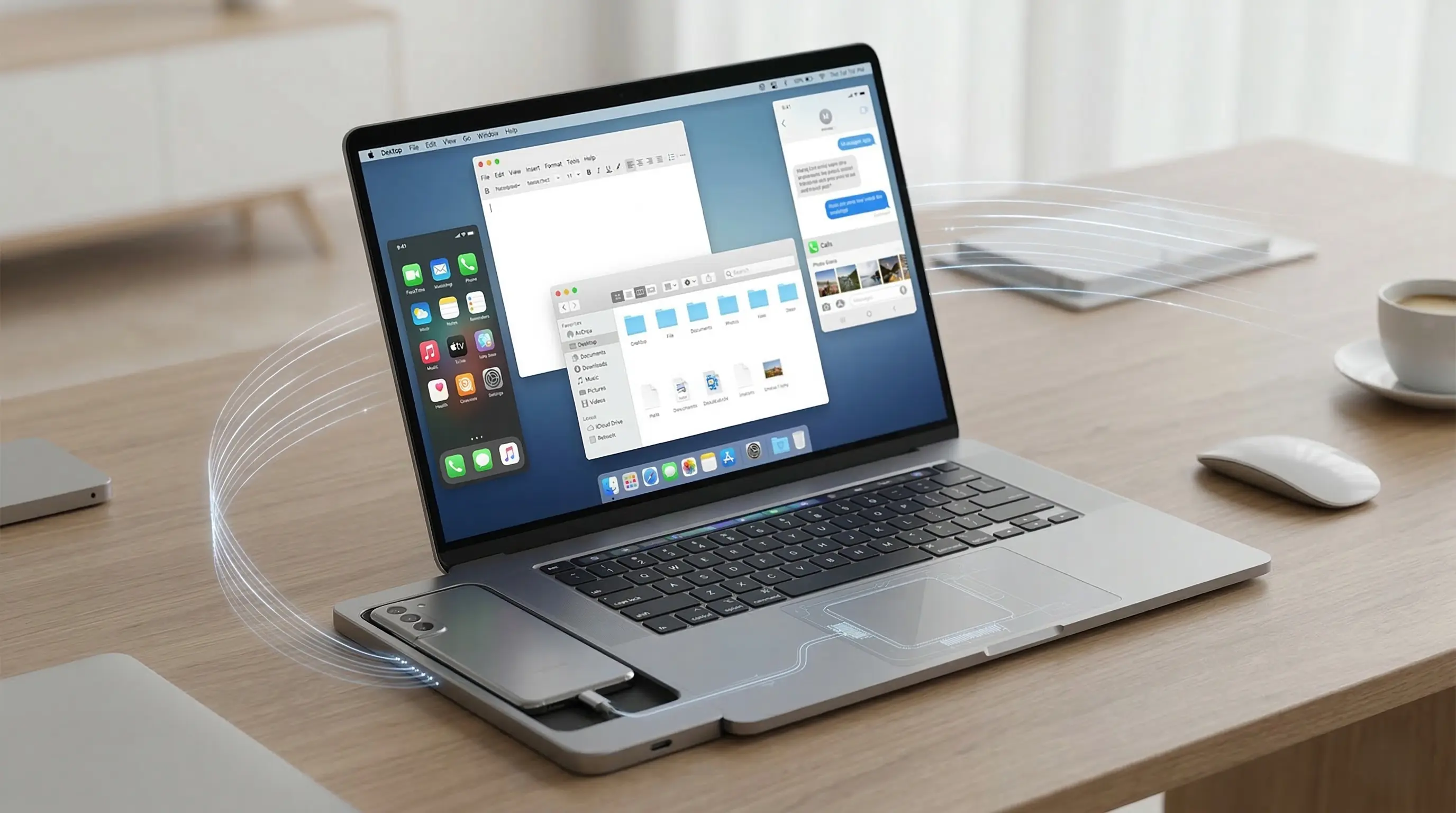
We are collectively throwing money down the drain. Every few years, consumers pay a premium for a new mobile phone packed with a cutting-edge processor and masses of RAM, only to pay for those exact same components again when buying a laptop for basic daily tasks. With component shortages currently threatening to drive standard notebook prices up significantly, the argument for buying computing power twice is rapidly crumbling. The processing grunt sitting in your pocket is already more than capable of handling your daily needs. It is time the industry stopped forcing us to duplicate our hardware and finally delivered a premium, empty shell lapdock.
📌 Key Takeaways
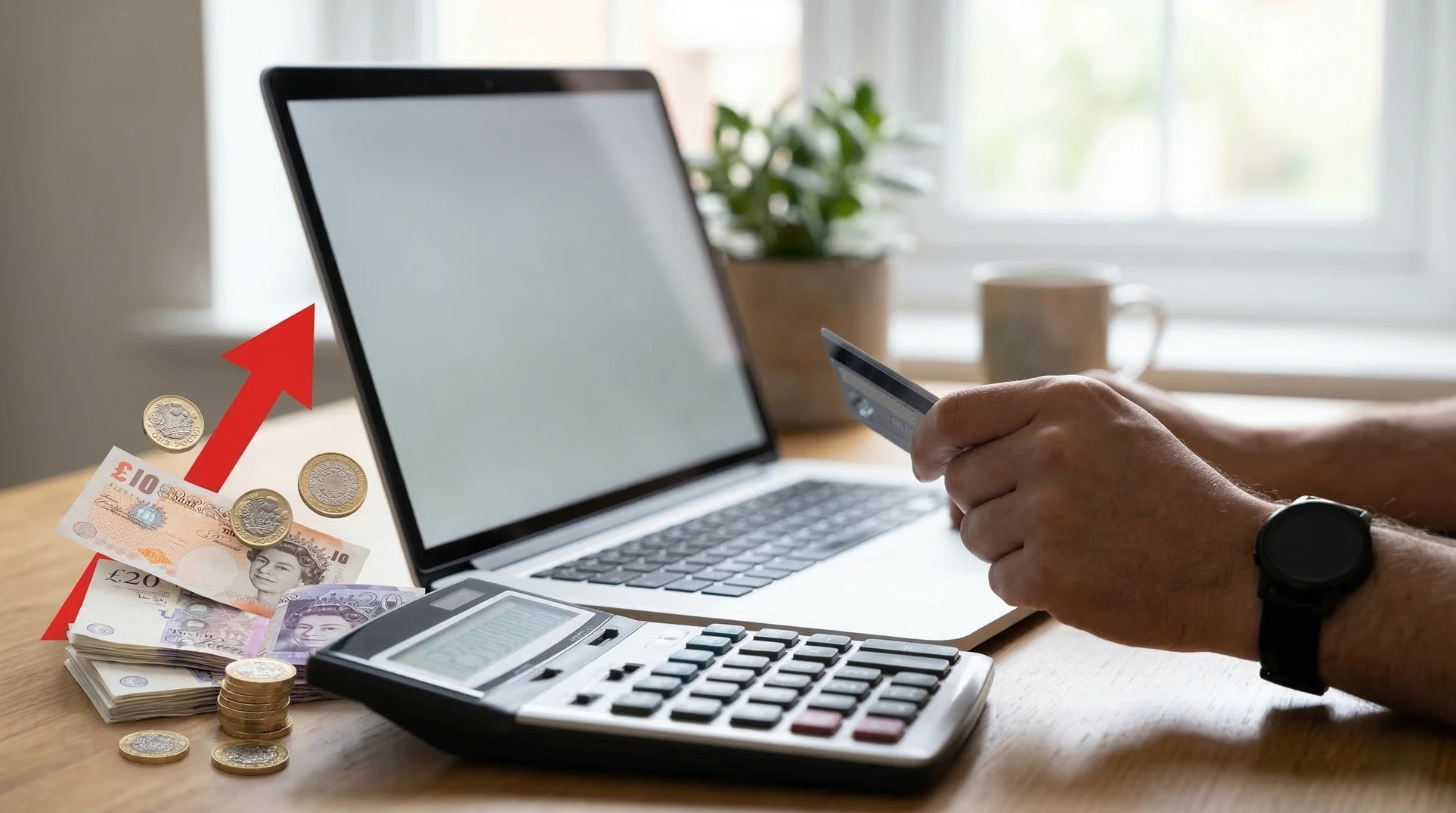
- Surging component costs could push standard laptop prices up by 40%, making empty shell hardware a financially sound alternative.
- Modern mobile chips like the Snapdragon and A18 Pro are already powering laptops, proving phones have the necessary grunt.
- Unified environments mean your apps, storage, and messages are always perfectly synced across a seamless workflow.
- Upcoming software shifts, such as Android replacing ChromeOS, signal a definitive move towards unified mobile-desktop ecosystems.
Surging Costs Make Duplication Pointless
The financial incentive to switch to a lapdock is stronger than ever. Reports from TrendForce highlight that the supply for notebook DRAM and NAND Flash has tightened significantly since the start of 2026. Furthermore, major manufacturers like Intel and AMD are raising prices or facing shortages on entry-level platforms. By purchasing an empty shell lapdock, consumers would completely bypass these inflated component costs.
The Processing Power is Already Here
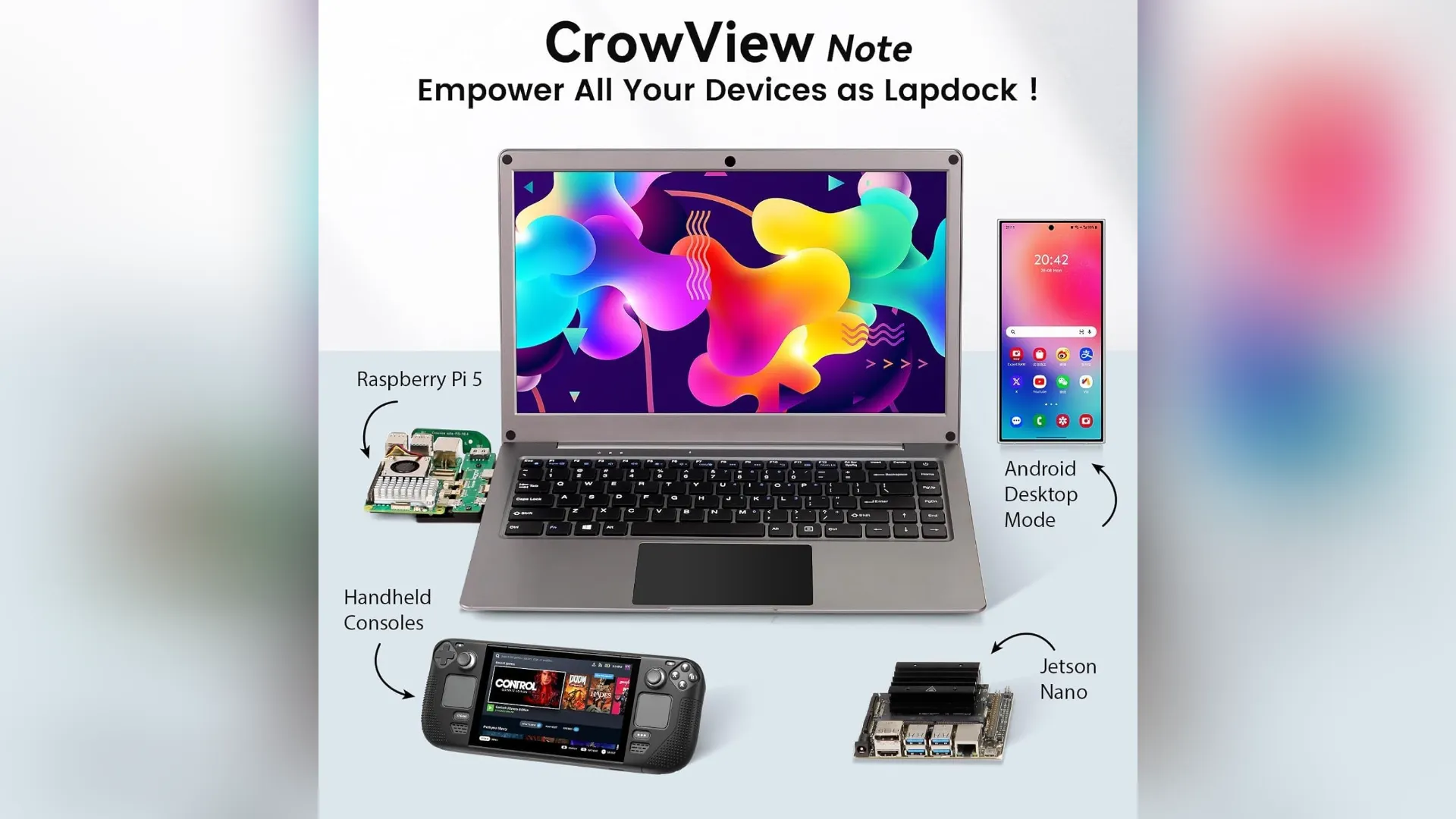
For years, consumers have prioritised upgrading their mobile phones, resulting in pocket-sized devices with immense computational power. Today, there is little reason to purchase a secondary CPU, RAM, and storage drive for a basic laptop. Mobile chips are already proving their worth in larger formats. Observations from recent hardware showcases suggest that the industry is leaning heavily into this transition, evidenced by mobile Snapdragon processors running standard laptops and the MacBook Neo utilising the A18 Pro chip. If these mobile processors are robust enough for student and basic-need laptops, they are certainly robust enough to run an external display setup directly from your pocket.
A Truly Seamless Workflow
Beyond the financial savings, the practical benefits of a mobile-powered lapdock are vast. When your mobile phone acts as your laptop's brain, your entire digital life is instantly unified. There is no need to rely on cloud syncing to transfer documents or email files to yourself just to continue working on a larger screen. Your apps, local storage, and login credentials match up perfectly. Furthermore, having all your text messages, notifications, and calls natively on your desktop screen makes for a far more seamless workflow, allowing you to stay focused without constantly reaching for a separate device.
Clunky Hardware Needs a Premium Overhaul
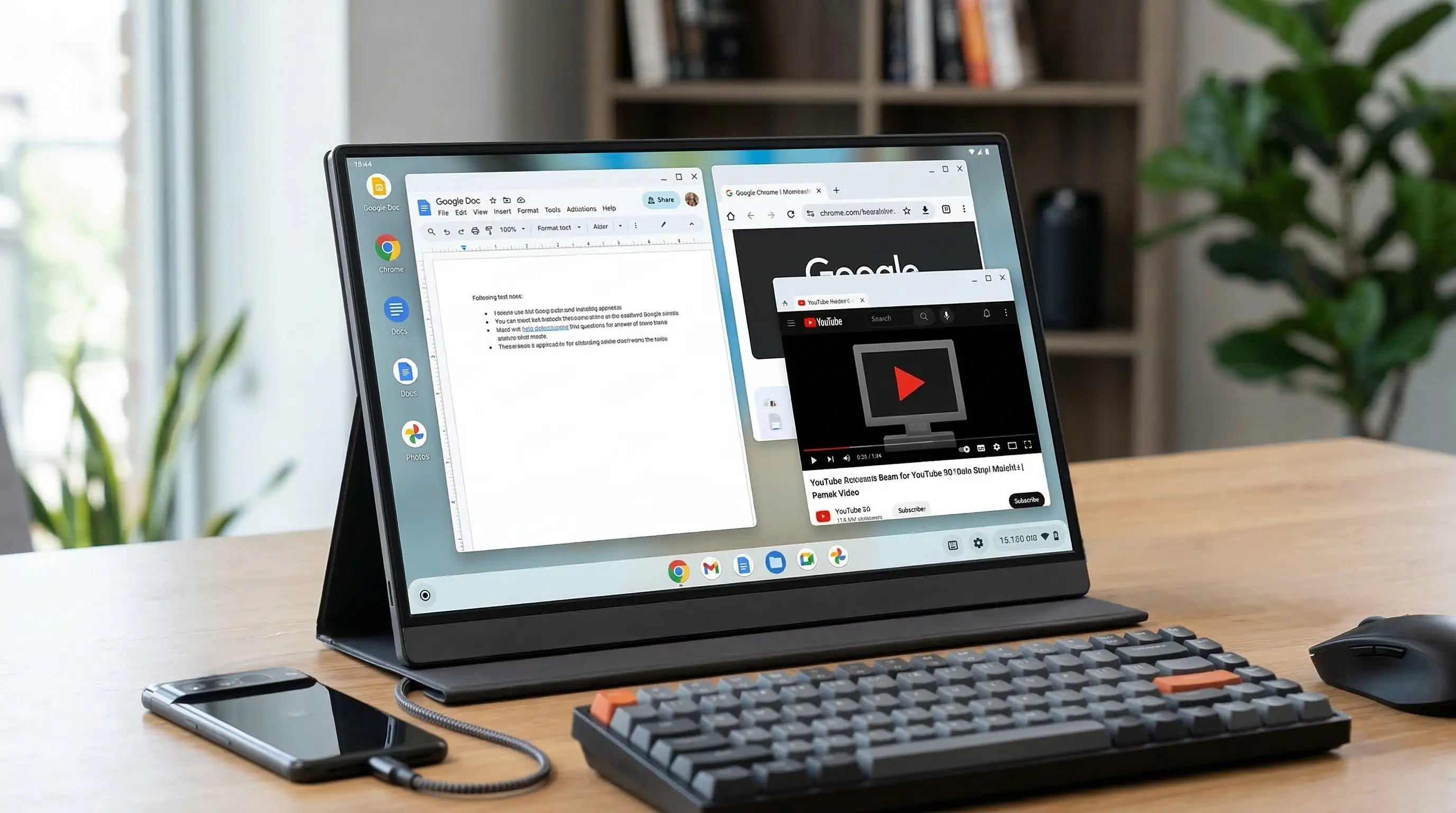
The concept of an empty shell laptop is not entirely new, but previous hardware attempts have failed to gain mainstream traction. Today, you can easily find portable monitor lapdocks on storefronts like Amazon, with basic 14-inch models starting around £144.49 and 15.6-inch versions retailing for £195.22. However, these current iterations are far from elegant, often leaving the mobile phone dangling awkwardly from a cable off the side of the machine. For this concept to become a true game changer, tech giants like Apple, Google, or Samsung need to design a slicker, integrated shell that seamlessly docks the device.
The Software Catch-Up and E-Waste Reduction
Hardware is only half the battle, but the software side is finally maturing. Samsung DeX has long championed the desktop-from-a-phone experience, and Google is steadily advancing its own Pixel desktop mode. Following details shared by software developers, it is becoming clear that ChromeOS is gradually being replaced by Android. This significant shift indicates that operating systems are consolidating, readying Android to serve as a fully functional desktop environment. Coupling this software evolution with the environmental benefit of keeping the same laptop shell for a decade makes this a logical, sustainable, and economical path forward for everyday computing.




About the Author: Chief Nerd
With over 15 years in IT and Cyber Security, I specialise in making tech accessible. NerdZap grew from a YouTube channel into a dedicated site for hardware reviews, guides, and tech news. I aim to share my industry experience while balancing life as a busy dad.