Valve Finally Drops the Specs for Steam Machine and Steam Frame Verification
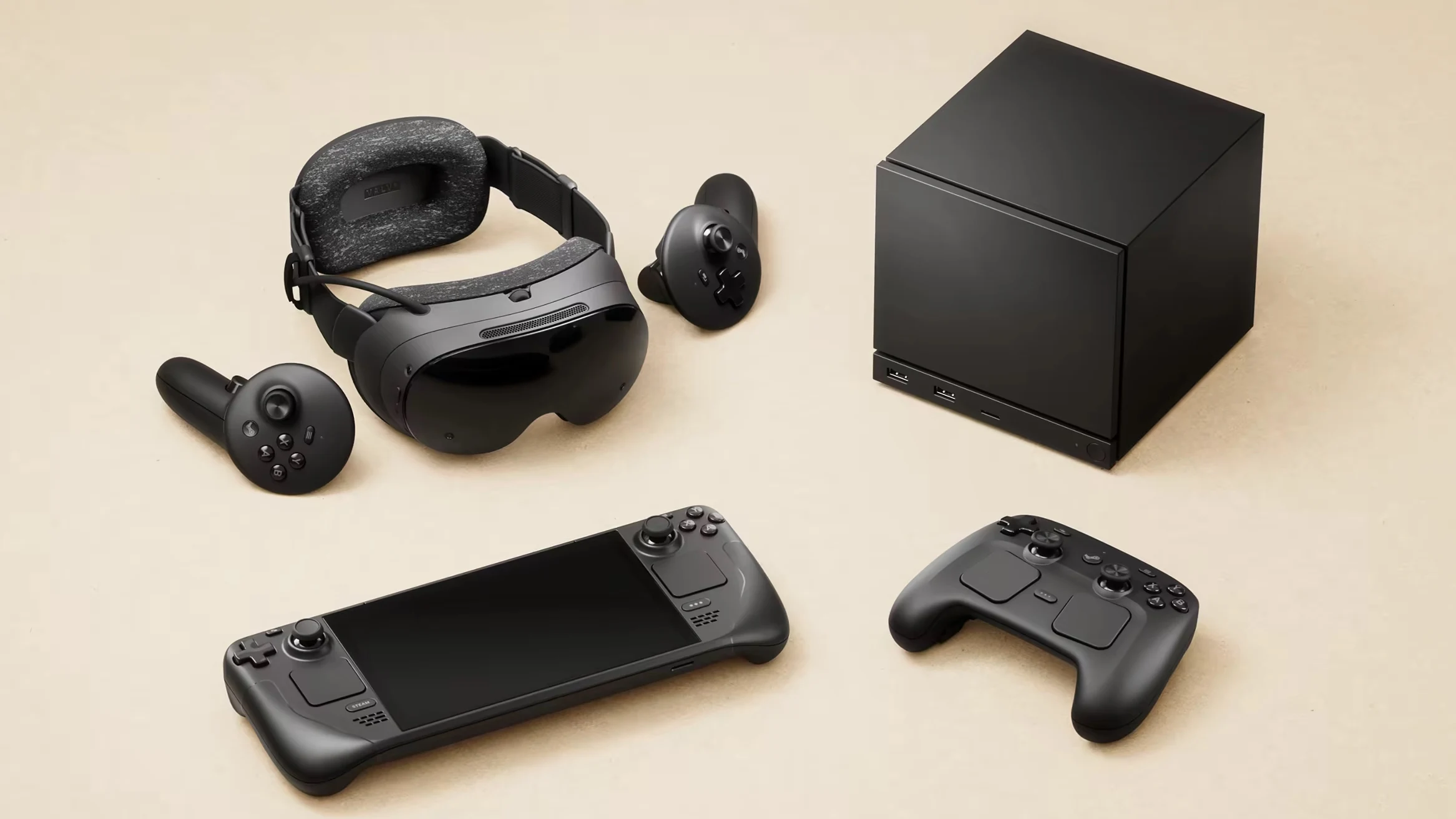
Valve has finally put some solid numbers behind its upcoming living room console and VR headset. Following a deep dive at the Game Developers Conference (GDC) 2026, we now know exactly what it takes for a game to earn the coveted Verified badge on the new Steam Machine and Steam Frame.
📌 Key Takeaways
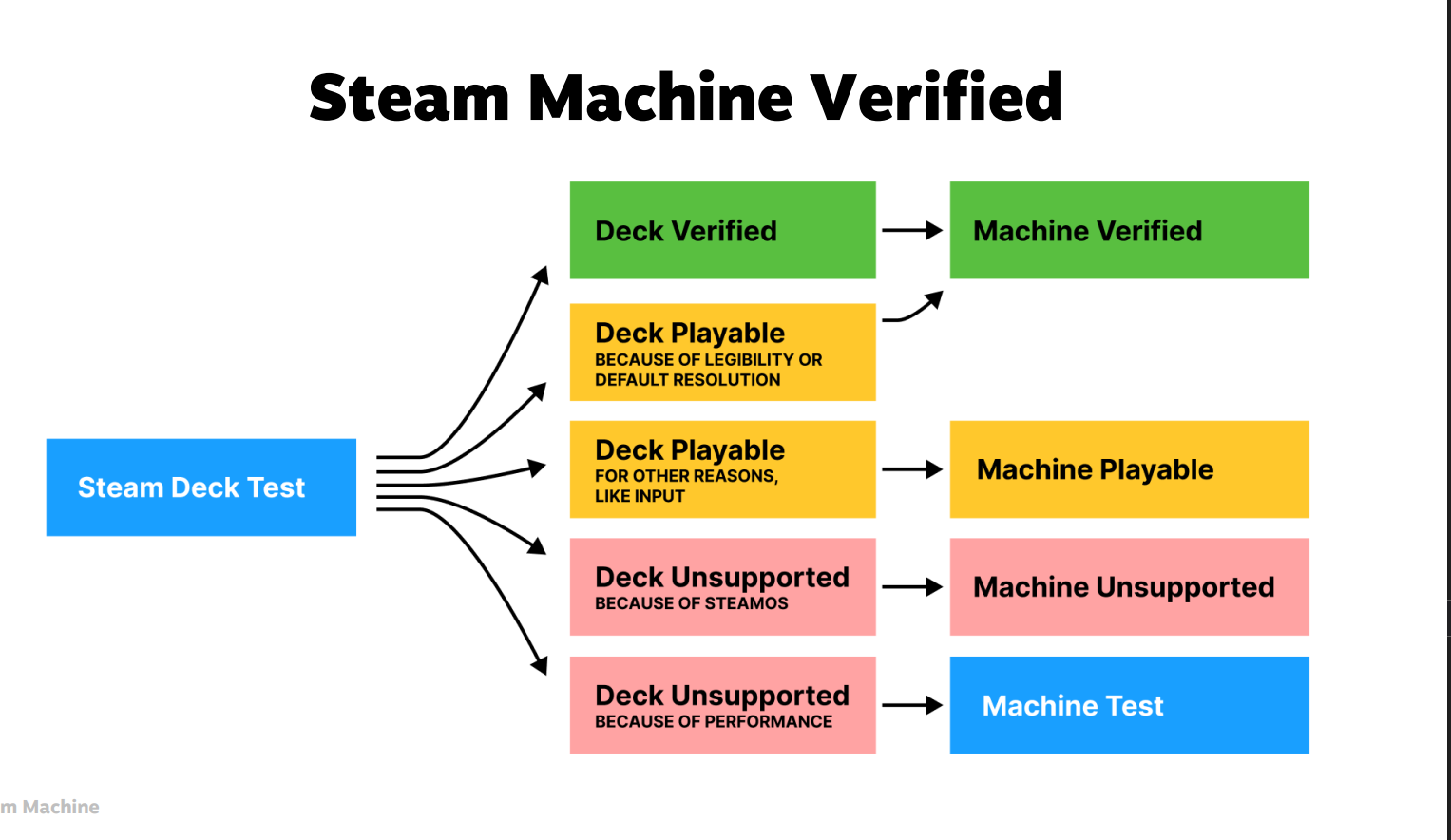
- Steam Machine Verified requires games to hit 30 FPS at 1080p, a target many find incredibly low for 2026.
- All Steam Deck Verified games will automatically be granted Steam Machine Verified status.
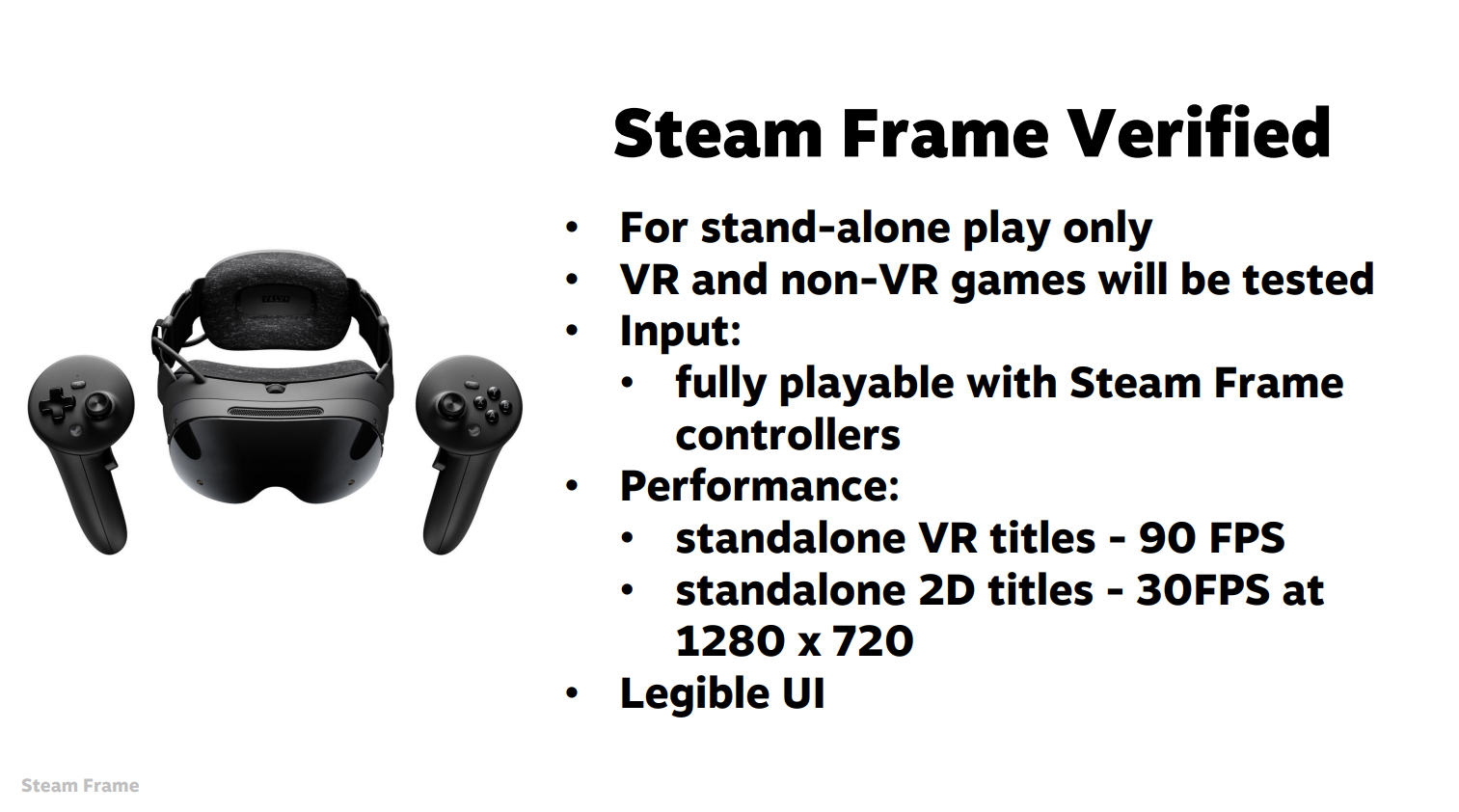
- Steam Frame standalone VR titles must reach a rigorous 90 FPS target.
- Valve has not clarified if these performance targets rely on upscaling technologies.
The 30 FPS Elephant in the Living Room
Reports from the GDC presentation confirm that the Steam Machine verification programme is essentially a supercharged extension of the existing Steam Deck system. If a game already holds a Verified rating for the portable Deck, it will automatically inherit the same status for the Steam Machine.
However, to secure this badge natively, developers need to ensure their titles hit a minimum of 30 frames per second at a 1080p resolution. This has not gone down well with the community, with critics pointing out that playing PC games at 30 FPS feels like stepping back into 2006. For a device designed to sit under your television, 1080p at 30 FPS is an incredibly low bar to clear for a "Verified" stamp of approval. Interestingly, Valve is skipping tests for display resolution and UI legibility entirely for the Steam Machine.
The new console boasts performance roughly six times that of the Steam Deck, alongside a newly updated API to detect the hardware. However, component shortages have currently kept the exact release date and pricing in a state of quantum superposition.
Steam Frame Demands High Frame Rates
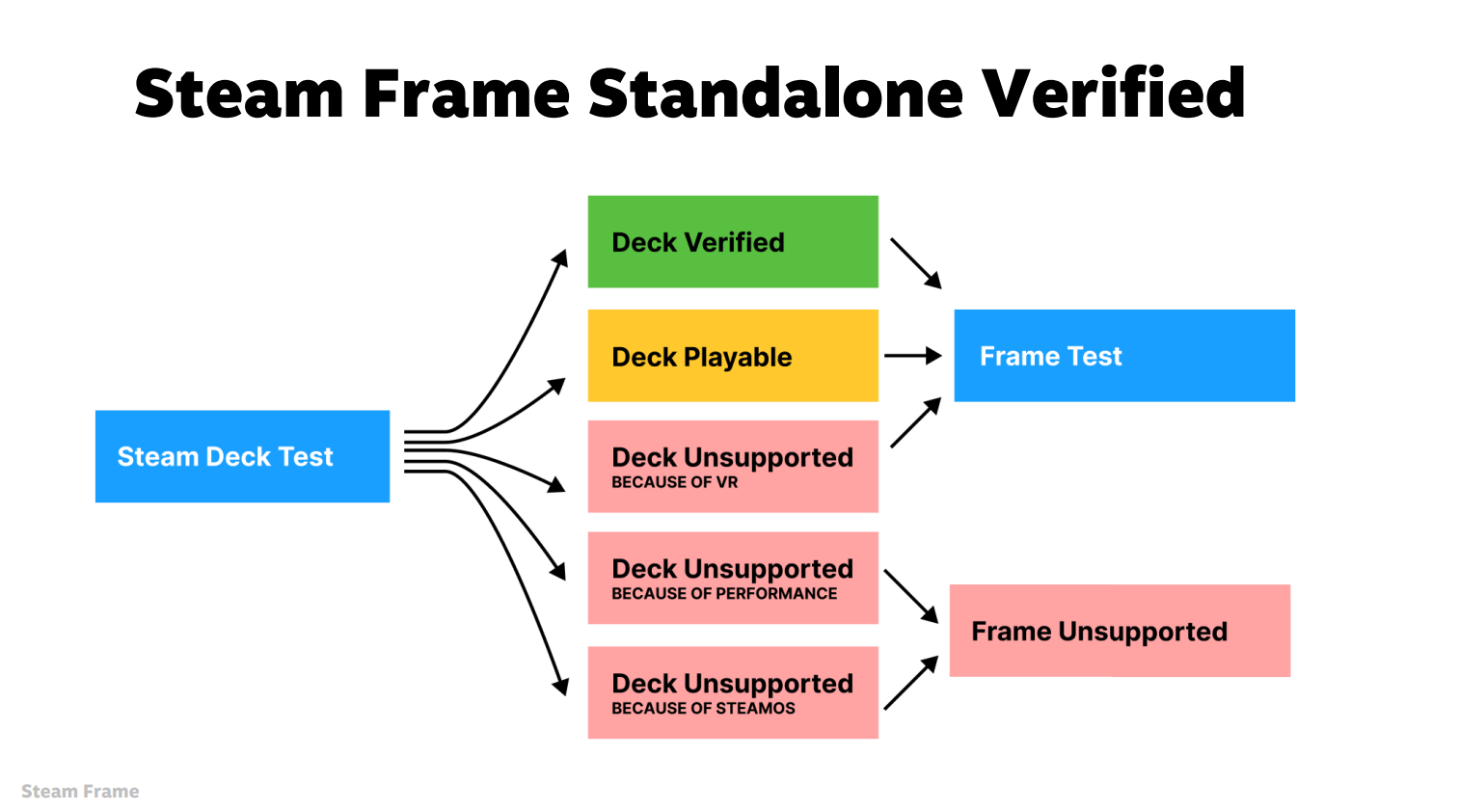
When it comes to the Steam Frame VR headset, the rules shift dramatically. The verification programme here only applies to standalone play, powered by the device's internal ARM chip. If you are streaming games from your host PC, Valve notes there is no verified programme. Their stance is simple: if it runs well on your computer, it will run well on the headset.
For on-device gaming, standalone VR titles are required to maintain a strict 90 FPS. This is notably higher than the 72 FPS baseline commonly accepted by rivals in the current VR landscape. Meanwhile, standalone 2D games played on the headset need to manage 30 FPS at a 1280x720 resolution. UI legibility is firmly back on the testing checklist for the Frame.
To make this massive library accessible, Valve will be relying on the FEX emulator and Proton to get x86 Windows games running smoothly on the Frame's ARM architecture.
The Upscaling Elephant in the Room
There is a massive, glowing question mark hovering over these announcements. At no point during the presentation did Valve clarify if these baseline framerates account for raw rendering performance, or if they factor in upscaling and frame generation tech.
A 30 FPS target at 1080p for the Steam Machine sounds woefully underpowered on paper. However, if that is a raw, unscaled figure on a heavily GPU-bound title, then introducing something like AMD's FidelityFX Super Resolution (FSR) could make a world of difference. The industry is left guessing whether Valve is quietly banking on an unannounced upscaling improvement to bridge the gap.

⚡ NerdZap's Take
Valve is playing a very smart game here. By chaining the Steam Machine's success directly to the already triumphant Steam Deck ecosystem, they are guaranteeing a massive library on day one. But that 90 FPS target for the Steam Frame is the real story. It shows Valve isn't messing around in the VR space. They want premium fluidity, and setting that bar higher than the competition is a bold flex.
I am slightly concerned about the lack of clarity on upscaling. We need to know if 30 FPS is the absolute floor or just the baseline for these specs. Still, an ARM-based VR headset running PC games via FEX and Proton is borderline black magic, and I am entirely here for it.
You can view the full GDC 2026 slide deck here.





About the Author: Chief Nerd
With over 15 years in IT and Cyber Security, I specialise in making tech accessible. NerdZap grew from a YouTube channel into a dedicated site for hardware reviews, guides, and tech news. I aim to share my industry experience while balancing life as a busy dad.