The Trojan Horse and the Magic Wand: Rethinking Console History
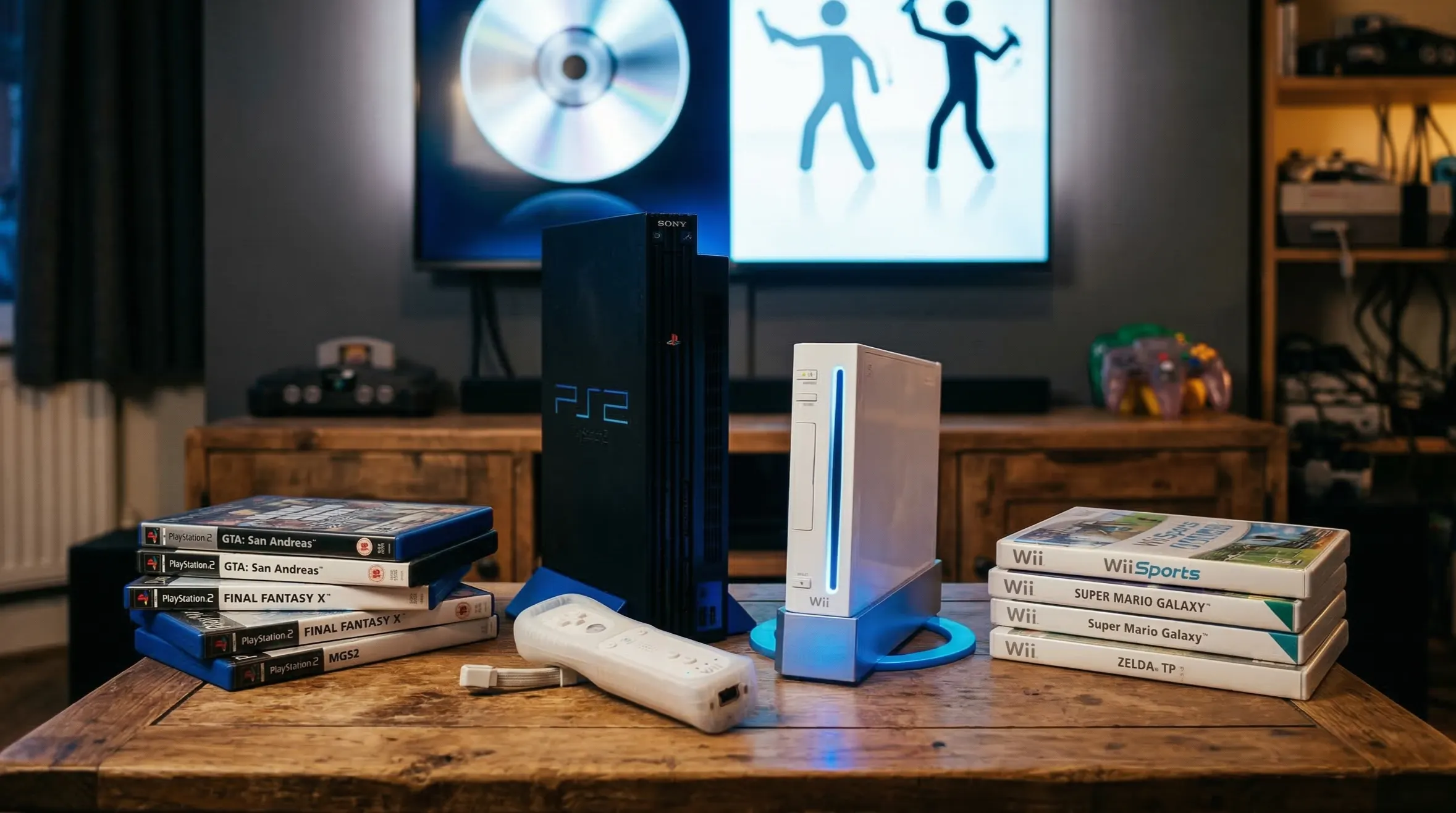
When I look back at my early gaming years, the tribal lines were drawn clearly. At my mum's house, it was all about the N64, sinking endless hours into Zelda and Pokémon Stadium. At my dad's house, it was all about the PS1, from the tricky levels of Heart of Darkness to the lighthearted fun of Croc. While both were incredible pioneers of 3D gaming, absolutely nothing beat the sheer charm of the N64 for me. However, if we want to talk about the hardware that fundamentally altered the mainstream landscape, the true consoles that changed gaming forever, we have to look slightly further down the timeline. We are specifically looking at the Sony PlayStation 2, which arrived in 2000, and the Nintendo Wii. These were not just iterative upgrades; they were Trojan horses that redefined the very concept of home entertainment.
The Ultimate Living Room Infiltration
Back at the turn of the millennium, Sony executed an absolute masterclass in consumer psychology. The PlayStation 2 was undoubtedly a brilliant gaming machine, boasting an incredible catalogue of titles, but its true genius lay in its optical drive. It served as one of the most accessible DVD players on the UK market at a time when standalone cinematic units were extortionately priced. Consumers were not just buying a games console, they were investing in a complete home entertainment hub.
Reports from that era show it was not just teenagers saving up their pocket money, it was entire households justifying the purchase as a living room upgrade. While the exact retail price of a standalone DVD player at the time was upwards of £149, this meant the PS2 was disruptive enough to force the console into millions of homes that otherwise would never have bought a dedicated gaming device. It completely blurred the line between a cinematic viewing experience and interactive media. Sony successfully smuggled a high-end gaming rig into the lounge under the guise of a practical family purchase.
It was a strategy so remarkably effective that Sony played the exact same card a generation later. When the PlayStation 3 launched, it functioned as the ultimate Trojan horse for the newly emerging Blu-ray format. With early standalone Blu-ray players costing a small fortune in the UK (often sitting around the staggering £1,000 mark for early models), picking up a PS3 simply made more financial sense for anyone wanting high-definition films. Once again, Sony proved that the easiest way to sell a heavy-duty gaming console to the masses is to disguise it as an essential piece of cinematic kit. 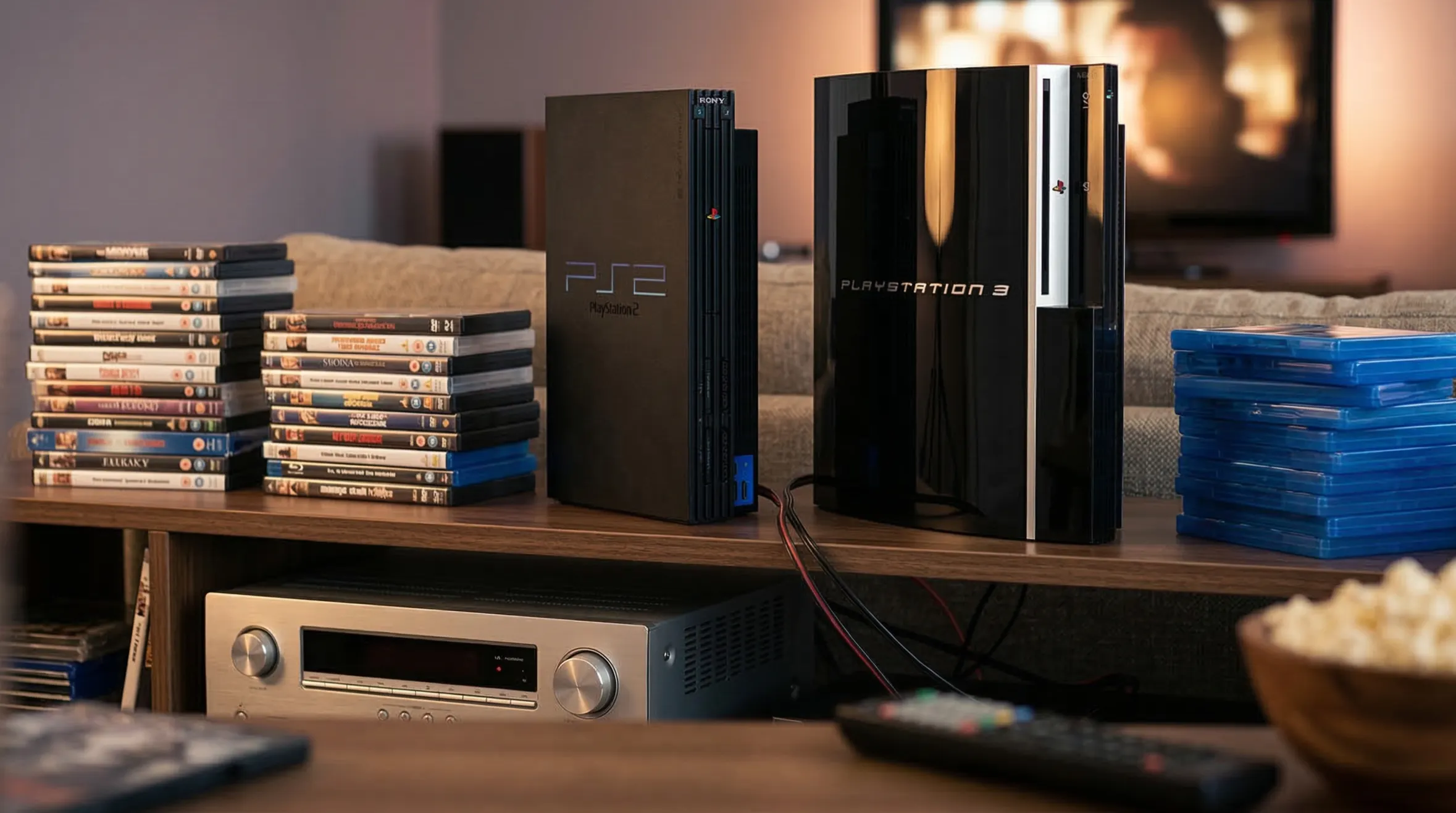
The Motion Control Revolution
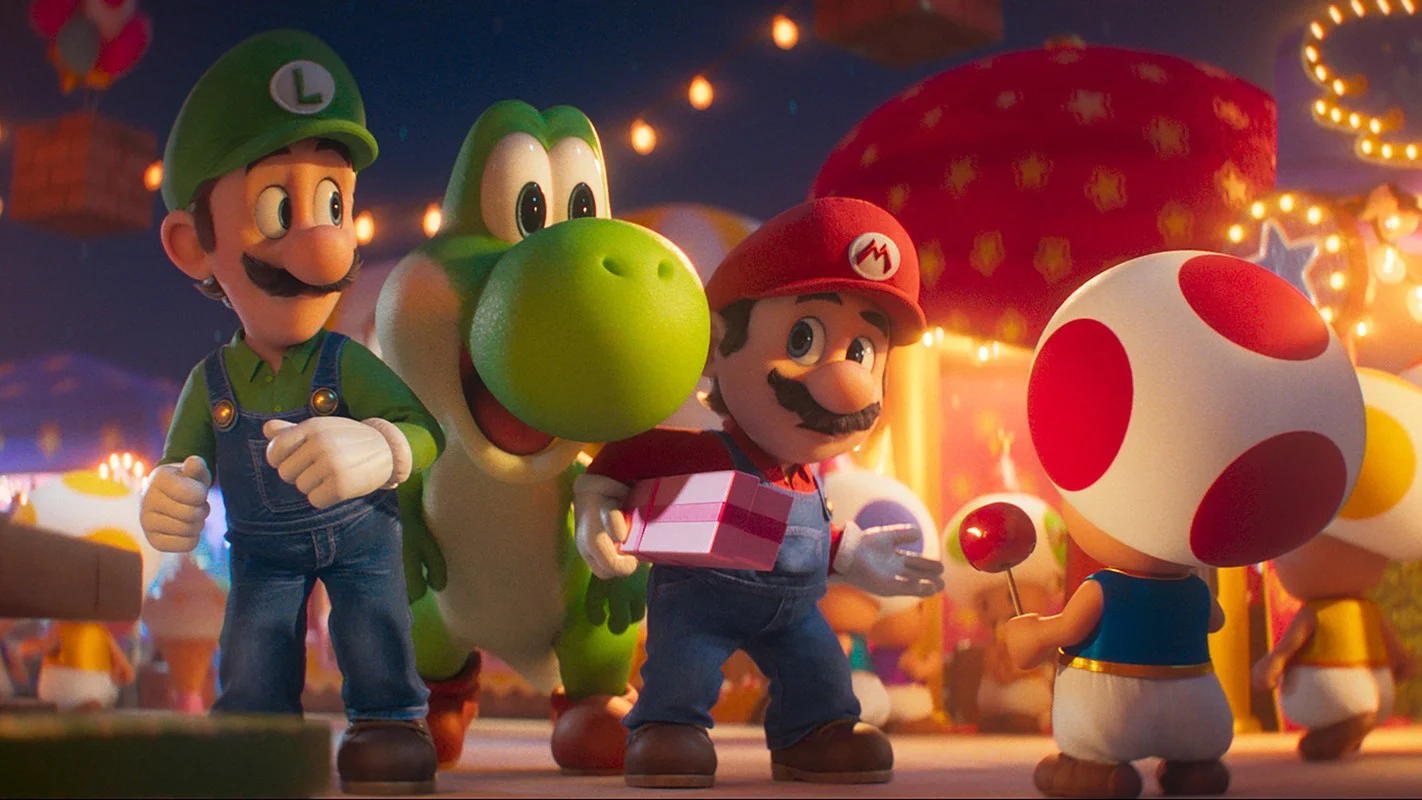
If Sony conquered the living room through sheer utility, Nintendo did it through pure, unadulterated accessibility. The arrival of the Wii completely abandoned the traditional, button-heavy controller that had intimidated non-gamers for decades. Instead, they handed us a brilliant, intuitive remote that registered physical movement. It was a stroke of absolute genius that flipped the script on what gaming could be.
Suddenly, gaming was no longer restricted to a solitary person sitting in a dark bedroom. It was interactive, highly physical, and universally understood. You had entire families, across multiple generations, standing up and swinging imaginary tennis rackets in their lounges. The impact was so profound that it caused widespread retail stock shortages, proving that Nintendo had tapped into an entirely new, highly lucrative demographic. It proved that graphical fidelity was not the only metric for success, a lesson the industry is still digesting today. 
Blurring the Lines
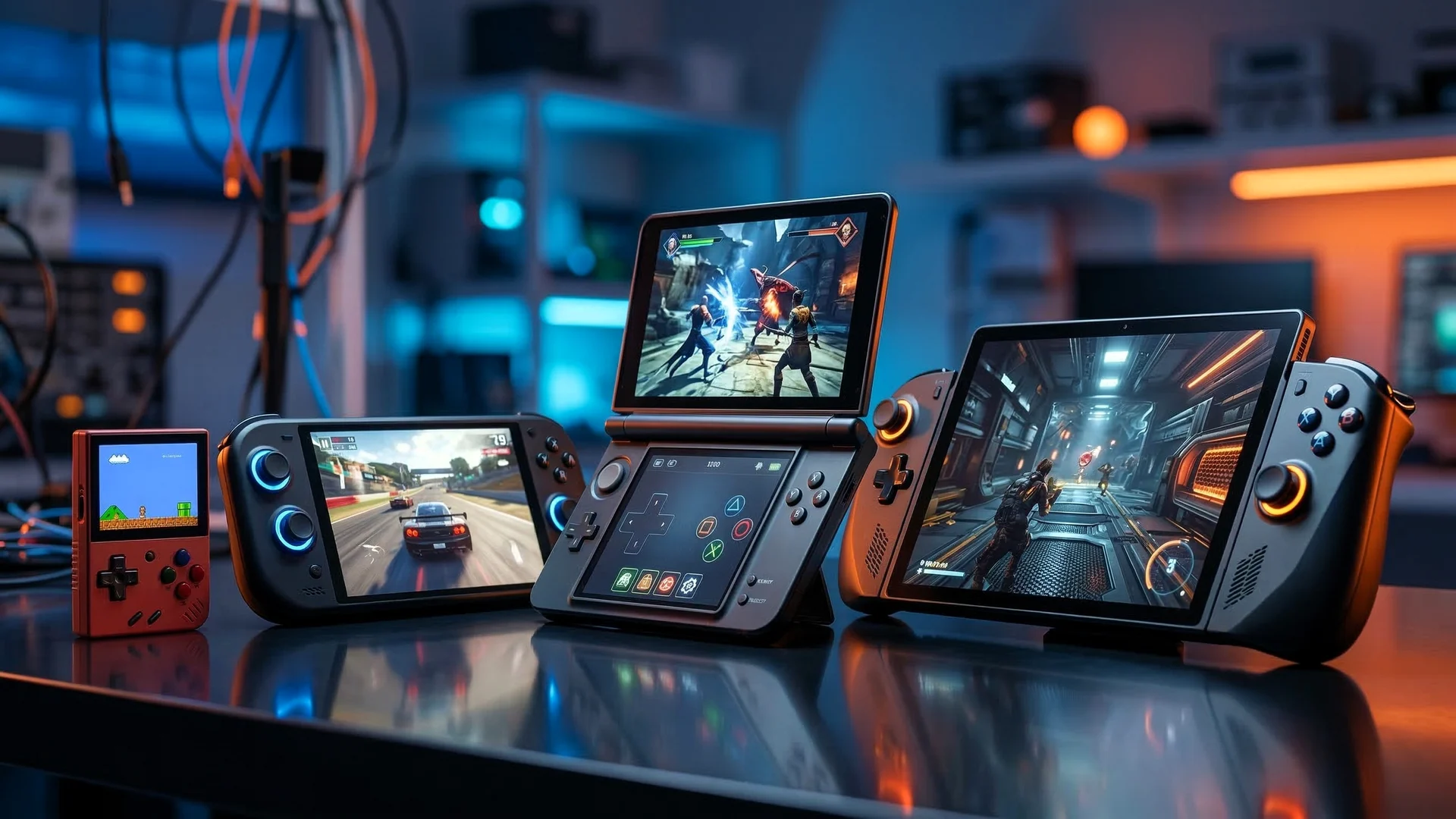
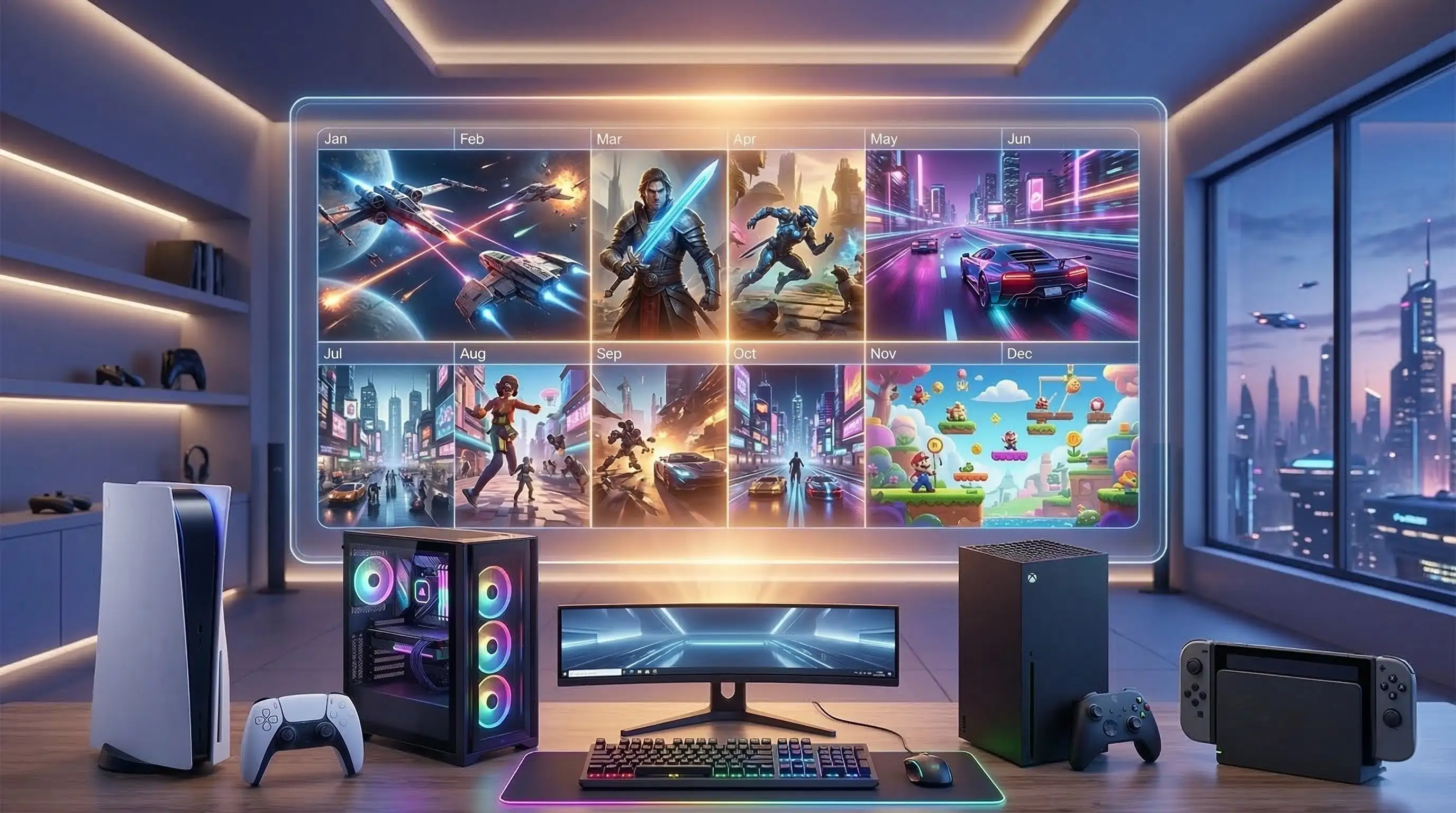
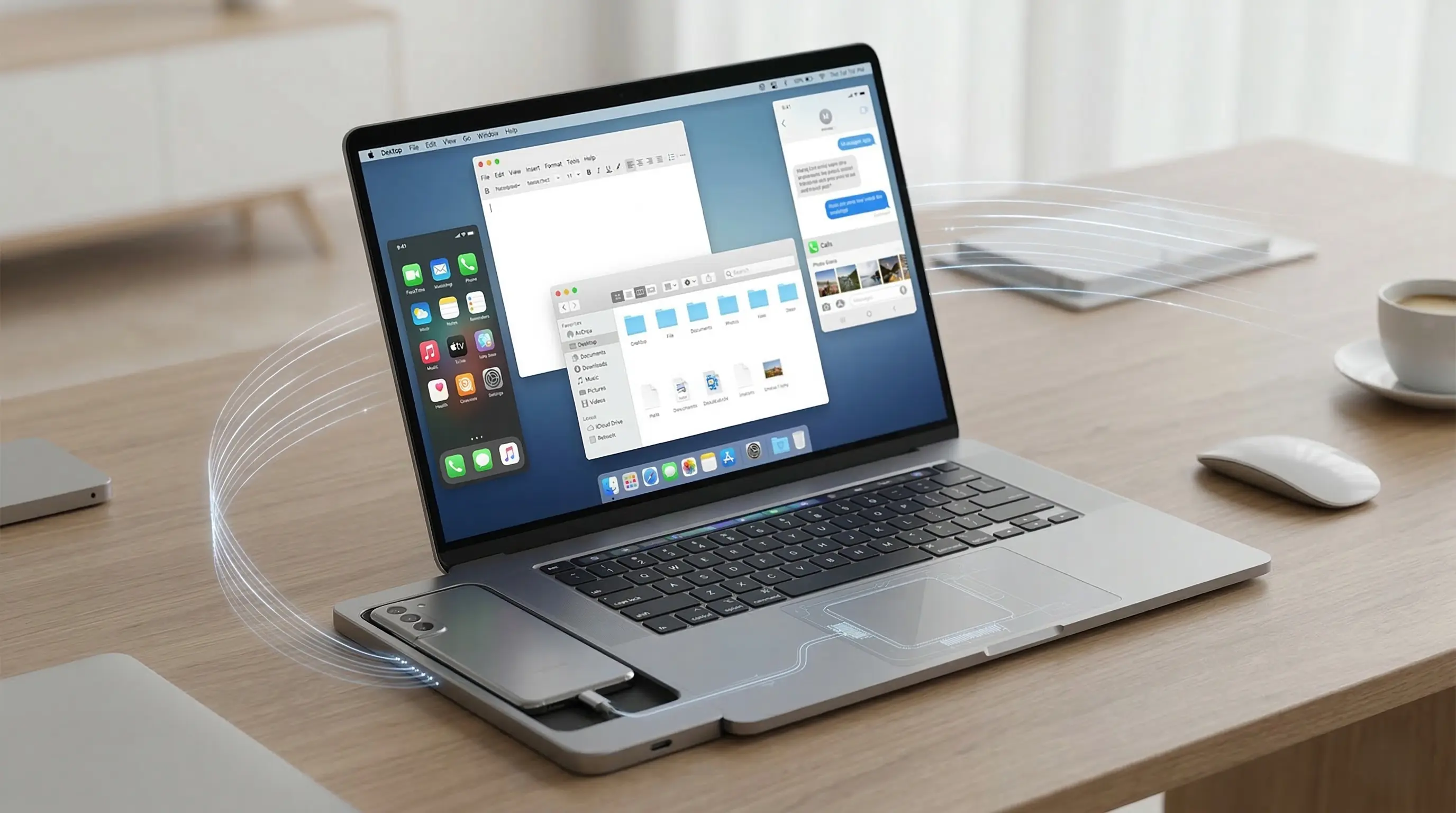
So, where exactly do we go from here? We have already seen the living room conquered by multimedia playback and motion controls, but the final frontier is breaking down the walled gardens of hardware entirely. The future lies in obliterating the divide between the enthusiast desktop PC and the under-TV console.
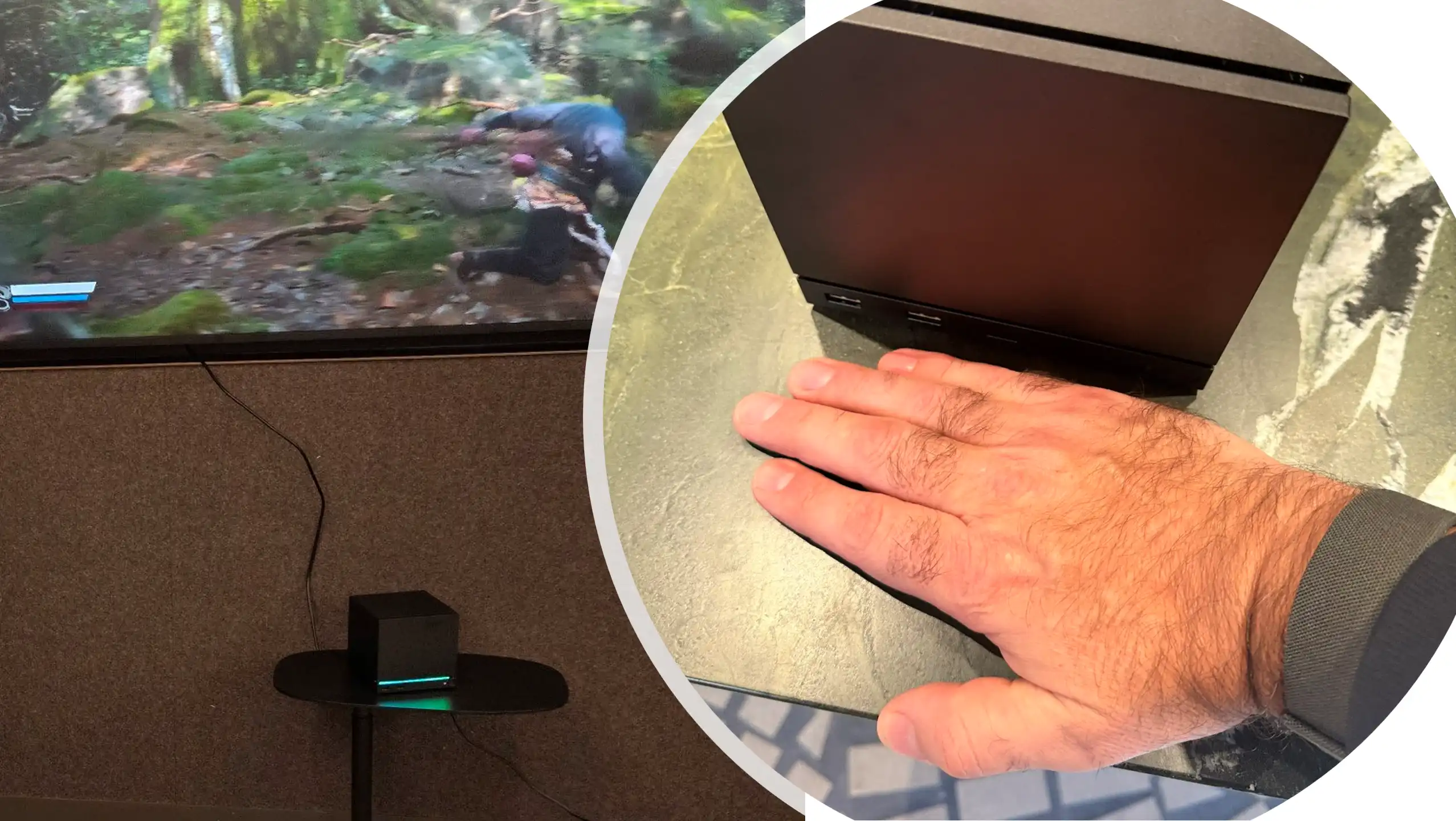
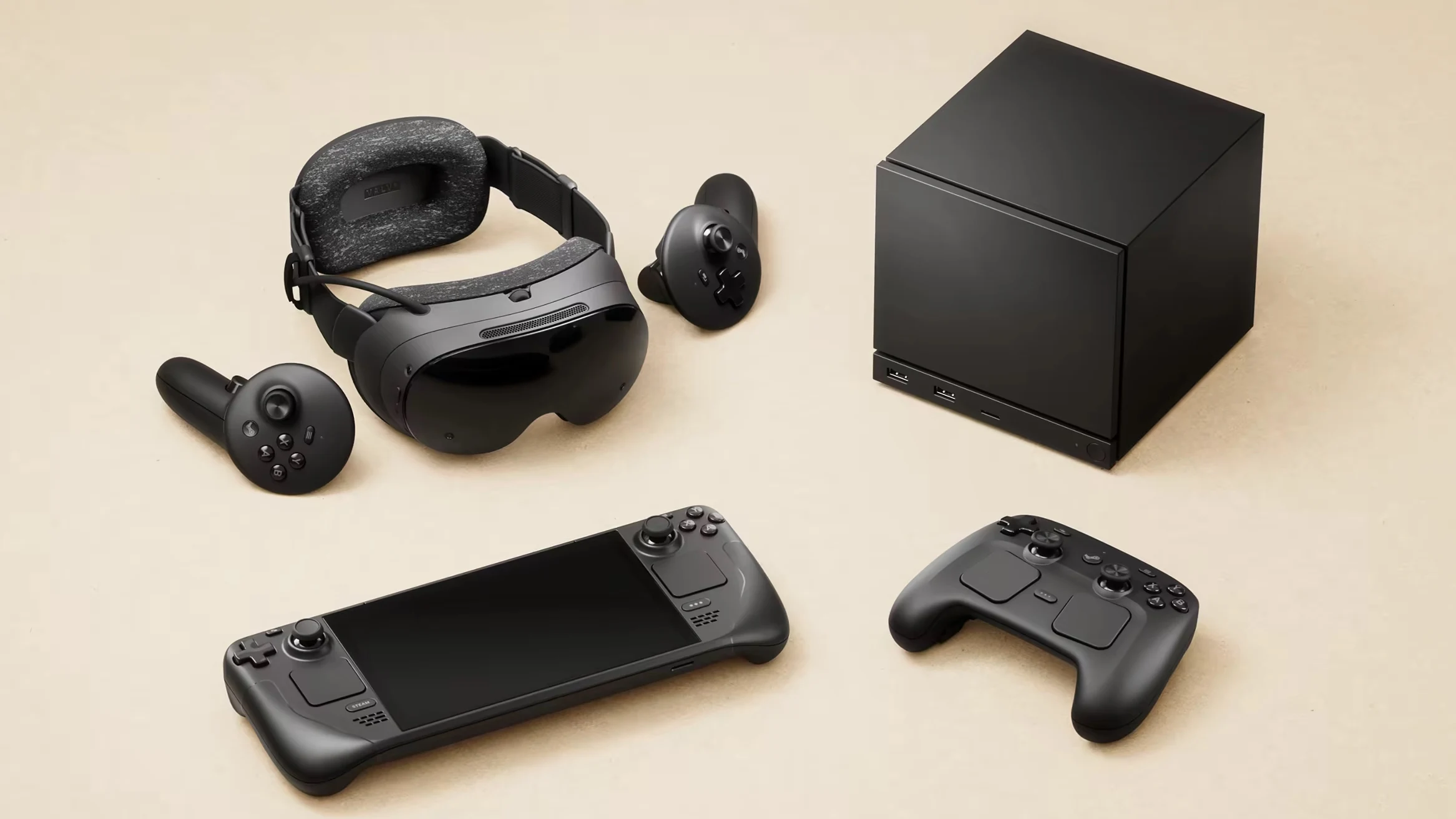
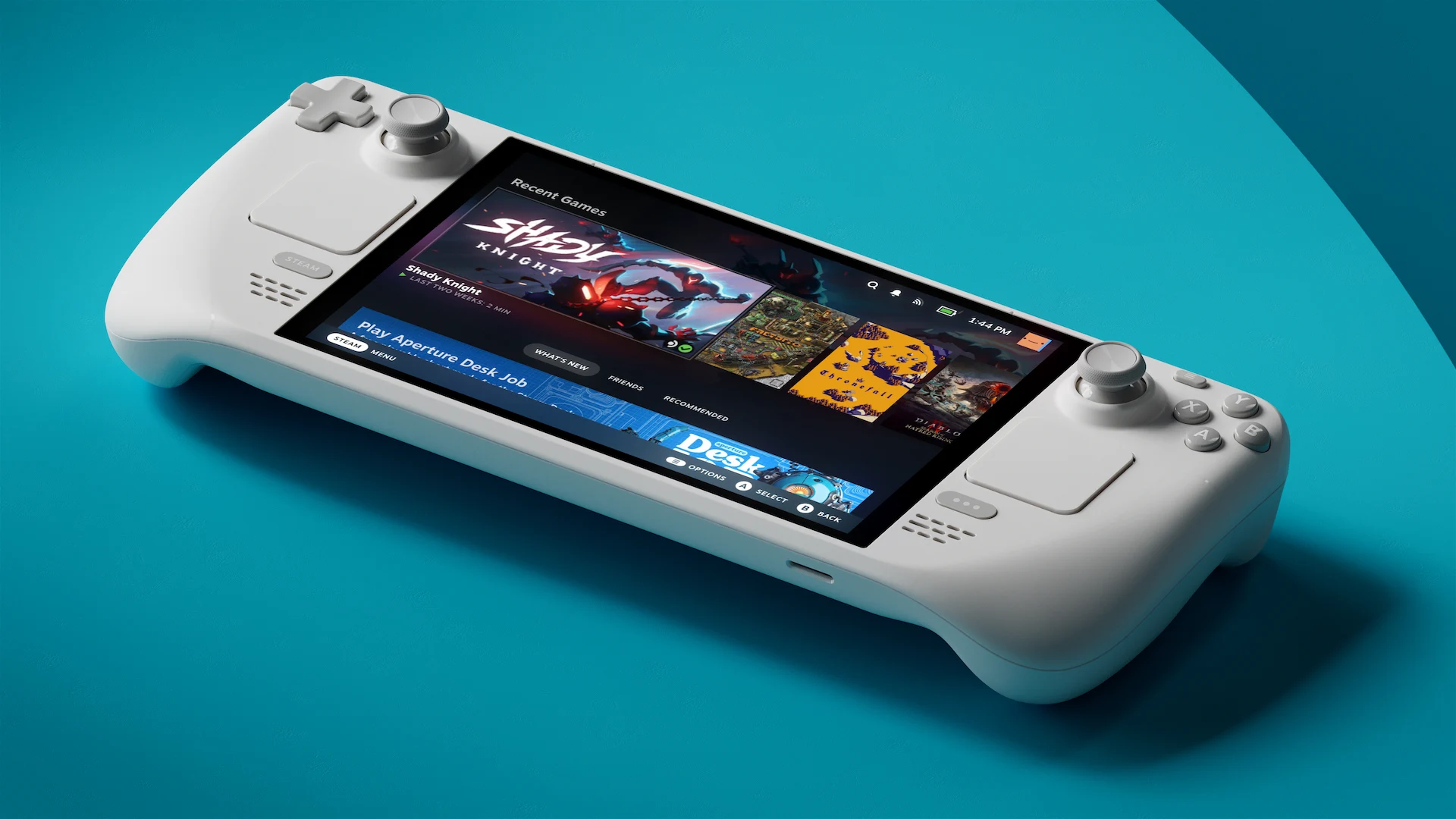
We can already observe the foundations being laid by industry giants. Valve's ongoing experimentation, starting with their early Steam Machines and evolving into modern portable hardware, points towards a future where your massive PC library is instantly accessible anywhere in the house. Following recent updates from the company, we now know that their highly anticipated, next-generation Steam Machine will be releasing sometime in 2026. Likewise, Microsoft's long-rumoured Project Helix ambitions, alongside their current cross-platform ecosystem, suggest a completely unified approach. The ultimate goal is brilliantly clear: delivering the raw power, modding capabilities, and open nature of a PC, perfectly packaged within the plug-and-play simplicity of a traditional console. 
⚡ NerdZap's Take
The PS2 and the Wii dominate the history books because they solved a problem consumers did not even realise they had. They offered overwhelming value and unmatched accessibility, cementing their legacy as the consoles that changed gaming forever. As much as I still harbour a deep, nostalgic love for my old N64, I have to respect the sheer disruptive power of those later machines. Looking ahead, the manufacturer that successfully delivers a zero-compromise PC experience in a streamlined console form factor will win the next decade of gaming. We do not need another gimmick, we just need seamless integration.



About the Author: Chief Nerd
With over 15 years in IT and Cyber Security, I specialise in making tech accessible. NerdZap grew from a YouTube channel into a dedicated site for hardware reviews, guides, and tech news. I aim to share my industry experience while balancing life as a busy dad.